Understanding the Significance of Exodus 22 in Modern Contexts

Exodus 22 contains a set of laws that governed social behavior and justice in ancient Israel. These laws address issues such as property rights, restitution, social responsibility, and ethical conduct. While rooted in a specific historical and cultural context, the principles found in Exodus 22 continue to offer valuable insights for modern society. This post explores the chapter’s key themes and their relevance today, showing how ancient wisdom can inform contemporary discussions about justice, fairness, and community responsibility.
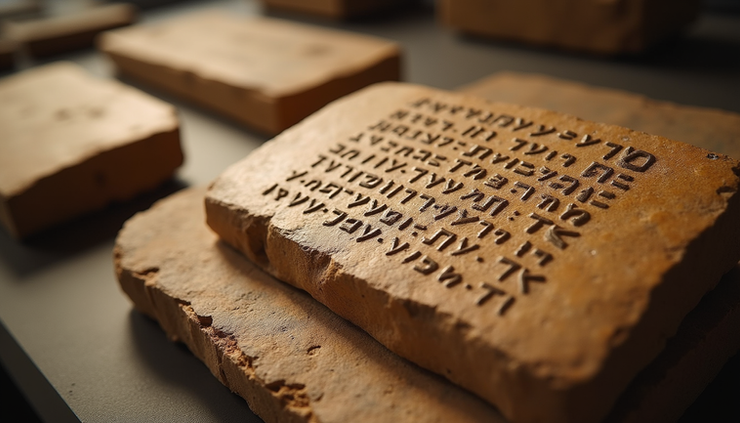
The Context of Exodus 22
Exodus 22 is part of the larger legal code given to the Israelites after their escape from Egypt. These laws were designed to create order and fairness in a newly forming society. The chapter covers a range of topics, including:
Theft and restitution
Property damage
Social justice for vulnerable groups
Ethical treatment of neighbors and strangers
Understanding the historical context helps us appreciate the practical nature of these laws. They were not abstract rules but guidelines to maintain harmony and protect the weak in a community.
Key Themes in Exodus 22
Justice and Restitution
One of the most prominent themes in Exodus 22 is the emphasis on restitution. When someone causes loss or damage, they are required to compensate the victim fairly. For example, if a person steals an ox or a sheep, they must repay multiple animals as compensation. This principle discourages wrongdoing by attaching clear consequences and ensures victims are made whole.
In modern legal systems, restitution remains a core concept. Courts often order offenders to compensate victims for damages, reflecting the same basic idea found in Exodus 22.
Protection of the Vulnerable
Exodus 22 includes specific protections for widows, orphans, and strangers. These groups were often vulnerable to exploitation in ancient times. The laws command fairness and kindness toward them, such as not withholding wages or mistreating them.
Today, this principle resonates in social justice efforts that seek to protect marginalized populations. It reminds us that a just society must care for those who lack power or resources.
Property Rights and Responsibility
The chapter also addresses property rights and the responsibility owners have to safeguard their belongings. For instance, if someone’s property causes harm or damage, the owner may be held accountable. This encourages vigilance and accountability.
Modern parallels include laws about negligence and liability, where individuals or businesses must take reasonable care to prevent harm to others.
Ethical Behavior in Daily Life
Exodus 22 covers everyday ethical issues, such as honesty in business and respect for others’ possessions. These rules promote trust and cooperation within the community.
In contemporary terms, this aligns with values like integrity, fairness, and respect that underpin healthy social and economic relationships.
Applying Exodus 22 to Modern Issues
Restorative Justice Practices
The focus on restitution in Exodus 22 aligns closely with restorative justice approaches used today. Instead of only punishing offenders, restorative justice seeks to repair harm by involving victims, offenders, and the community. This method has shown success in reducing recidivism and promoting healing.
Social Welfare and Support Systems
The protections for vulnerable groups in Exodus 22 highlight the importance of social safety nets. Modern welfare programs, legal protections for workers, and anti-discrimination laws echo these ancient concerns. They help ensure that society supports those in need and promotes fairness.
Environmental and Property Care
The responsibility for property damage in Exodus 22 can extend to modern environmental stewardship. Individuals and corporations are increasingly held accountable for pollution and environmental harm, reflecting the principle that we must care for what we own and its impact on others.
Business Ethics and Consumer Protection
Honesty and fairness in trade, emphasized in Exodus 22, remain vital today. Consumer protection laws, fair trade practices, and ethical business standards all reflect the enduring importance of these values.
Examples of Exodus 22 Principles in Action
Restitution in Criminal Cases: Courts ordering offenders to pay restitution to victims for stolen or damaged property.
Worker Protections: Laws ensuring timely payment of wages and fair treatment of employees, especially those in vulnerable positions.
Environmental Liability: Companies held responsible for cleanup costs after environmental damage.
Consumer Rights: Regulations requiring truthful advertising and fair business practices.
These examples show how ancient principles continue to shape modern laws and ethical standards.
Challenges and Considerations
While Exodus 22 offers valuable guidance, applying its laws directly today can be challenging. The social and economic context has changed dramatically. Modern legal systems are more complex and must address issues that ancient laws did not foresee.
It is important to interpret these principles thoughtfully, adapting their spirit rather than their exact letter. This approach allows us to benefit from ancient wisdom while meeting contemporary needs.
Final Thoughts
Exodus 22 provides a foundation for understanding justice, responsibility, and care within a community. Its focus on restitution, protection of the vulnerable, and ethical behavior remains relevant. By reflecting on these ancient laws, we can gain insights into building fairer and more compassionate societies today.
The chapter encourages us to think about how we treat others, how we handle conflict, and how we protect those who need support. These lessons invite ongoing reflection and action toward justice in our own communities. God is always in control.


Comments