Understanding 1st Corinthians 9 Lessons from the Most Holy Bible

The ninth chapter of 1st Corinthians offers profound insights into the Apostle Paul's approach to ministry, personal discipline, and the freedom believers have in Christ. This chapter challenges readers to reflect on their own commitment to faith and the way they engage with others in spreading the Gospel. Drawing from the Most Holy Bible, this post explores key lessons from 1st Corinthians 9 that remain relevant for believers today.
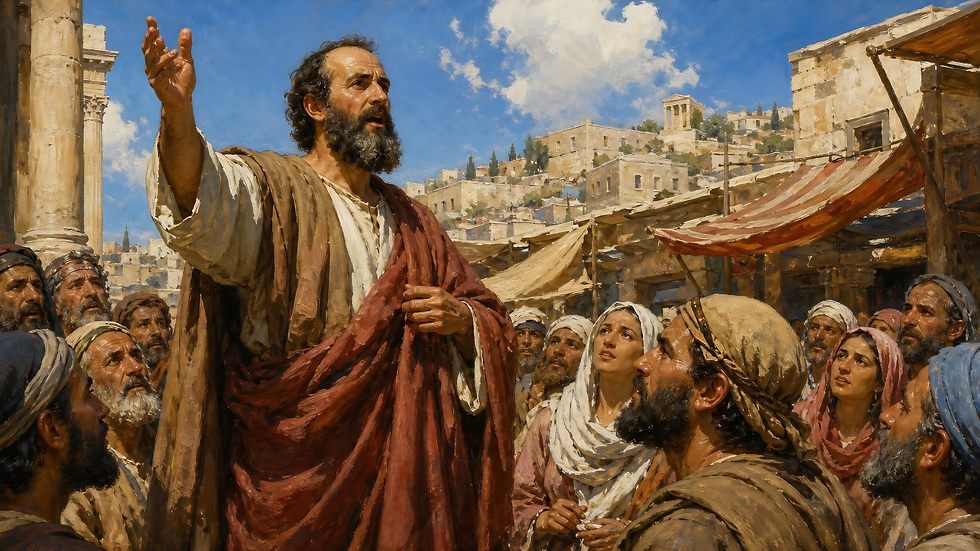
Paul’s Rights as an Apostle and His Choice to Forego Them
Paul begins 1st Corinthians 9 by asserting his rights as an apostle. He reminds the Corinthian church that he and Barnabas have the right to receive material support from those they minister to. This includes the right to food and drink, as well as the right to be accompanied by a believing wife.
Yet, Paul chooses not to exercise these rights fully. He explains that he has made himself a servant to all, so that he might win more people to Christ. This self-denial highlights a key lesson: sometimes spiritual goals require personal sacrifice.
Paul’s example encourages believers to consider how they might put others’ needs before their own comfort or rights in order to advance the message of the Gospel.
Becoming “All Things to All People” 1st Corinthians 9
One of the most striking parts of this chapter is Paul’s statement about becoming “all things to all people.” He adapts his approach depending on the audience:
To Jews, he becomes like a Jew to win them.
To those under the law, he becomes like one under the law.
To those outside the law, he lives as one outside the law.
To the weak, he becomes weak.
This flexibility is not about compromising truth but about meeting people where they are. Paul’s strategy shows the importance of empathy and cultural sensitivity in ministry and everyday relationships.
For example, a modern believer might share their faith differently with a close friend than with a stranger or someone from a different background. The goal remains the same: to connect and communicate effectively.
The Discipline of Spiritual Athletes
Paul uses the metaphor of an athlete to describe the discipline required in the Christian life. He talks about running a race to win a prize and exercising self-control in all things.
This metaphor teaches several practical lessons:
Consistency matters: Just as an athlete trains regularly, believers must cultivate spiritual habits like prayer, study, and service.
Self-control is essential: Avoiding distractions and temptations helps maintain focus on spiritual goals.
There is a reward: Paul speaks of a “crown” that will not fade, reminding believers that their efforts have eternal significance.
This imagery encourages readers to view their faith journey as an ongoing commitment that requires effort and perseverance.
The Purpose of Paul’s Ministry
Throughout 1st Corinthians 9, Paul emphasizes that his ministry is not for personal gain but for the sake of the Gospel. He wants to share in the blessings of the Gospel with others, but he prioritizes the spiritual well-being of his audience above all.
This teaches a vital lesson about motivation: true ministry flows from love and a desire to serve, not from seeking rewards or recognition.
Believers today can reflect on their own motivations in serving others and sharing their faith. Are they driven by genuine care or by personal benefit?
Practical Applications for Today’s Believers
1st Corinthians 9 offers practical guidance for living out faith in a complex world:
Adapt communication: Like Paul, learn to speak in ways that resonate with different people without compromising core beliefs.
Practice self-discipline: Develop habits that strengthen spiritual growth and avoid distractions.
Serve with humility: Put others’ needs ahead of personal rights or preferences.
Stay focused on eternal goals: Remember that earthly challenges are temporary compared to the lasting reward of faithfulness.
These lessons can be applied in personal relationships, church involvement, and outreach efforts.
Reflecting on Freedom and Responsibility
Paul’s discussion of rights and freedoms in this chapter also raises important questions about Christian liberty. While believers have freedom in Christ, that freedom comes with responsibility to avoid causing others to stumble.
This balance between freedom and love is critical. It reminds readers that faith is not just about what one can do but about how actions affect the community.
For example, a believer might choose to abstain from certain behaviors out of respect for others’ consciences, even if those behaviors are not inherently wrong.
Summary of Key Lessons
Paul’s ministry is marked by self-sacrifice and service.
Flexibility in approach helps reach diverse audiences.
Spiritual discipline is necessary for growth and success.
Motivation should come from love, not personal gain.
Christian freedom requires responsibility toward others.
These lessons from 1st Corinthians 9 encourage believers to live intentionally, balancing personal rights with the call to serve and win others to Christ.


Comments