Exploring the Insights of The Book of Wisdom Chapter 1 in the Most Holy Catholic Bible

The Book of Wisdom, also known as the Wisdom of Solomon, is a profound text within the Most Holy Catholic Bible that offers timeless reflections on wisdom, righteousness, and the human condition. Chapter 1 sets the tone for the entire book by emphasizing the value of wisdom and the consequences of rejecting it. This chapter invites readers to consider how wisdom shapes life, morality, and our relationship with God.
In this post, we will explore the key themes and messages of The Book of Wisdom Chapter 1, unpacking its spiritual insights and practical lessons. Whether you are a student of scripture, a seeker of wisdom, or simply curious about this biblical text, this exploration will provide clarity and inspiration.
The Call to Wisdom and Righteousness
The opening verses of Chapter 1 present a clear call to embrace wisdom and live righteously. Wisdom is portrayed not just as knowledge but as a divine gift that leads to life and peace. The text warns against following the path of sinners who reject wisdom and choose unrighteousness.
Key points include:
Wisdom brings life: The chapter states that those who seek wisdom will find life and favor from God. This life is not merely physical but also spiritual, marked by peace and joy.
Righteousness protects: Living according to wisdom shields a person from death and destruction. The righteous are described as those who fear God and avoid evil.
Consequences of rejecting wisdom: The text highlights that those who ignore wisdom invite death and suffering upon themselves. Their choices lead to ruin.
This section encourages readers to reflect on their own choices and consider how wisdom influences their daily lives.
Wisdom as a Divine Gift
One of the most striking aspects of Chapter 1 is the portrayal of wisdom as a gift from God. It is not something humans can earn solely through effort but is granted by God to those who seek it sincerely.
God’s justice and wisdom: The chapter emphasizes that God is just and will not overlook the deeds of the wicked. Wisdom aligns with God’s justice, guiding people toward what is right.
The role of fear of the Lord: Fear of the Lord is described as the beginning of wisdom. This fear is not terror but reverence and respect for God’s authority and holiness.
Invitation to seek wisdom: The text invites all to seek wisdom actively, promising that those who do will be rewarded with understanding and protection.
This theme reminds readers that wisdom is accessible but requires humility and openness to God’s guidance.

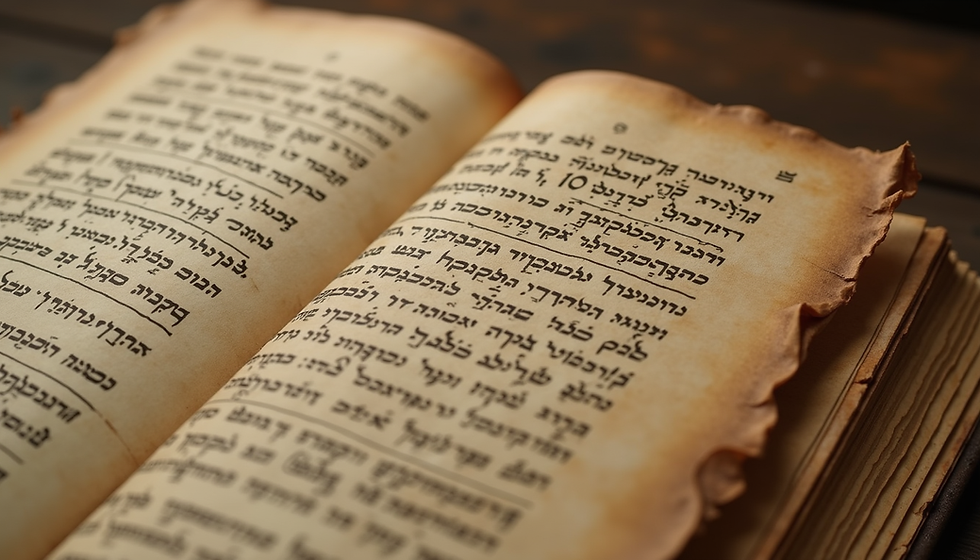
An ancient Bible opened to The Book of Wisdom Chapter 1, highlighting the sacred text’s enduring spiritual message.
The Contrast Between the Righteous and the Wicked
Chapter 1 draws a sharp contrast between the lives and outcomes of the righteous and the wicked. This contrast serves as a moral lesson and a spiritual warning.
The righteous live by wisdom: They are described as those who love righteousness and seek God’s approval. Their lives are marked by peace and favor.
The wicked reject wisdom: They are proud, arrogant, and dismissive of God’s laws. Their actions lead to self-destruction and divine judgment.
The fate of the wicked: The chapter predicts that the wicked will face death and punishment because they ignore the voice of wisdom.
This contrast encourages readers to examine their own paths and choose wisely.
Practical Lessons from The Book of Wisdom Chapter 1
Beyond its spiritual teachings, Chapter 1 offers practical lessons that apply to everyday life:
Value wisdom over material gain: The chapter warns against valuing wealth or power above wisdom. True success comes from living rightly.
Avoid arrogance and pride: The wicked are described as proud and self-reliant. Humility opens the door to wisdom.
Seek understanding actively: Wisdom requires effort and desire. It is not passive but involves a conscious choice to learn and grow.
Respect divine law: Living according to God’s commandments leads to peace and protection.
These lessons can guide personal growth, ethical decision-making, and spiritual development.
The Relevance of The Book of Wisdom Chapter 1 Today
Though written centuries ago, the messages in Chapter 1 remain relevant. In a world filled with distractions and competing values, the call to seek wisdom and live righteously is as urgent as ever.
Modern challenges: People today face moral dilemmas, ethical questions, and the temptation to prioritize short-term gain over lasting good.
Wisdom as a guide: The chapter’s emphasis on wisdom as a divine gift encourages reliance on spiritual insight rather than solely human reasoning.
Encouragement for believers: For those who follow the Catholic faith, this chapter reinforces the importance of prayer, reverence, and obedience to God.
By reflecting on these ancient words, readers can find direction and strength for contemporary life.
Final Thoughts on The Book of Wisdom Chapter 1
The Book of Wisdom Chapter 1 offers a powerful invitation to embrace wisdom as the foundation of a meaningful and righteous life. It challenges readers to reject arrogance and sin, to seek God’s guidance, and to live in harmony with divine justice.
This chapter reminds us that wisdom is not just knowledge but a way of life that leads to peace, protection, and favor with God. Its lessons encourage humility, reverence, and active pursuit of understanding.
As you reflect on these insights, consider how you can apply the call to wisdom in your own life. Seek knowledge with a humble heart, respect divine law, and choose the path that leads to life and peace.
This post is for informational and spiritual reflection purposes only. The Truth will always set us free.


Comments